3000W
Max. Charging Power
60A
Max. Charging Current
4CH
Flexible Charging
6S-14S
Battery Range

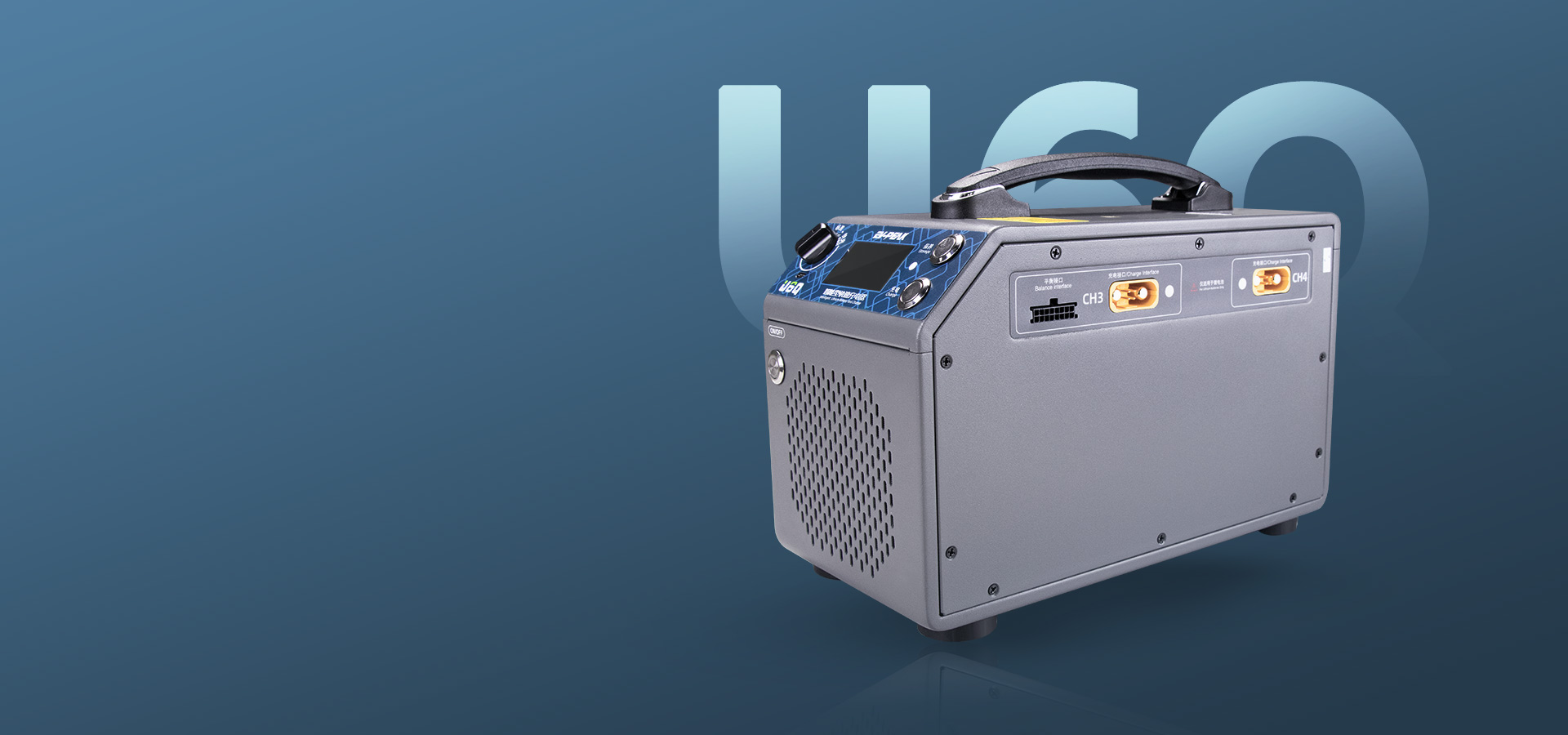
Under test conditions of AC 220V input, Fast Charge mode and
25°C ambient temperature, the EV-PEAK U6Q charged a 14S 30000mAh
UAV battery from 30% to 100% SOC in approximately 21 minutes.
Actual charging time may vary depending on battery condition
and operating environment.
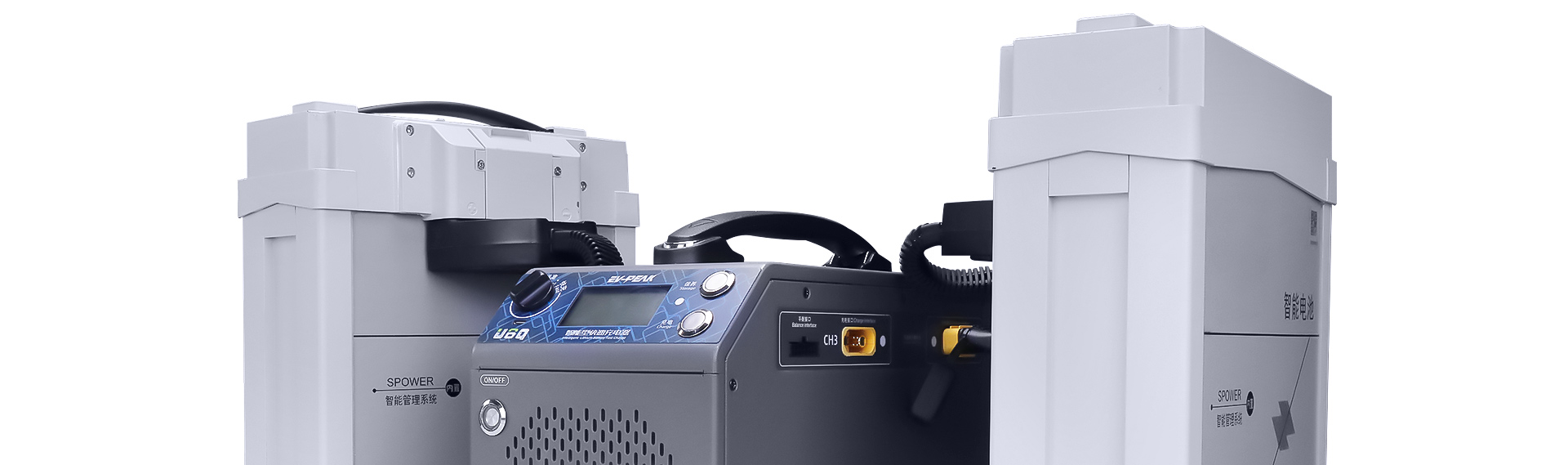
U6Q integrates multiple protection mechanisms to help safeguard the charger and connected UAV batteries during charging, including over-current, over-voltage, over-charge and over-temperature protection.
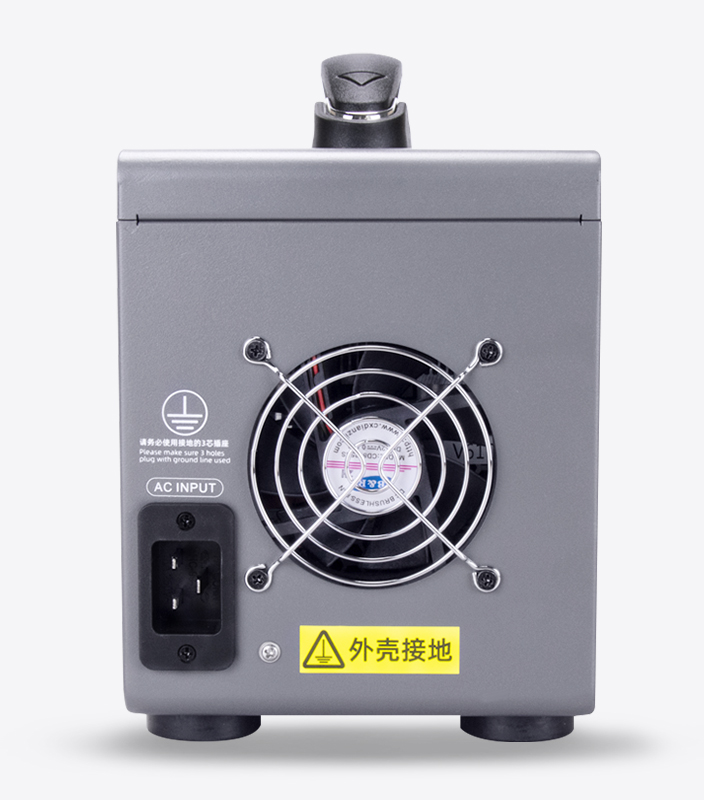
U6Q combines a metal enclosure, internal aluminum heat sink, and active fan cooling to dissipate heat during high-power charging, helping maintain stable operation under demanding UAV charging workloads.
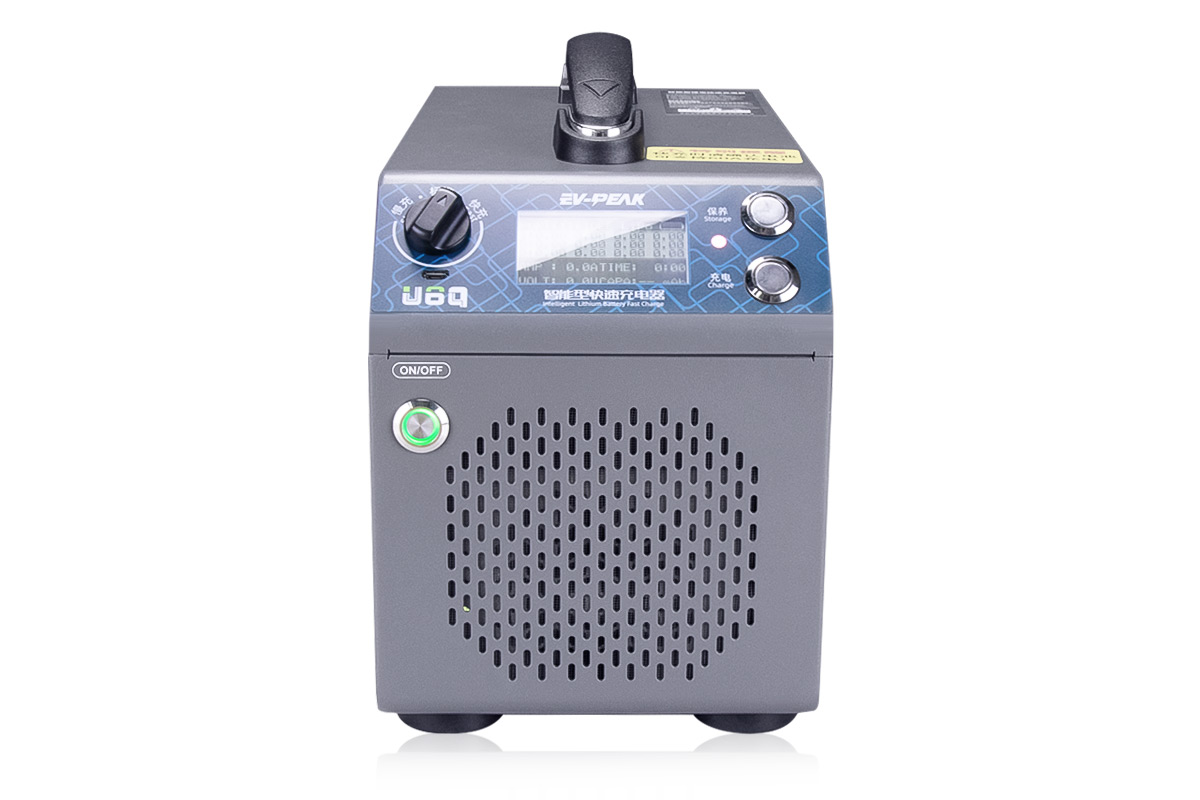
The built-in LCD provides clear, at-a-glance charging information, including charging mode, current, voltage, charging time and battery capacity. Operators can quickly check charging status without navigating through complex menus.
EV-PEAK U6Q uses AS150U main charging connectors and an MX3.0 balance port supporting 6S–14S UAV battery systems. The interface and pinout information below helps users verify battery compatibility before charging.
Main Charging Interface
The EV-PEAK U6Q is equipped with AS150U main charging connectors located on both sides of the charger for connection to compatible UAV battery systems.
Balance Interface
The U6Q uses an MX3.0 balance connector supporting 6S–14S battery systems. The pinout definition below is based on a front view of the charger-side connector with the connector latch positioned at the top.
Compatibility Note:
Verify the AS150U charging connector and MX3.0 balance-port pinout before connecting a battery to the U6Q. If your battery interface differs from the information above, contact EV-PEAK to confirm compatibility before use.
What is the maximum charging power and current of the EV-PEAK U6Q?
U6Q provides up to 3000W charging power and 60A maximum charging current at 220V AC input. At 110V AC input, the available charging power is approximately 1500W.
How many batteries can the U6Q charge at the same time?
U6Q supports flexible charging configurations of 1 × 60A, 2 × 30A, or 4 × 15A, allowing one, two, or four batteries to be charged according to the required workflow.
What battery range does the U6Q support?
The EV-PEAK U6Q supports 6S–14S LiPo, LiHV, and smart battery systems for professional UAV charging applications. Supported per-cell charge voltage settings include 4.20V, 4.25V, 4.30V, 4.35V, 4.40V, 4.45V and 4.50V.
What charging and balance connectors does the EV-PEAK U6Q use?
The EV-PEAK U6Q uses AS150U main charging connectors located on both sides of the charger. The balance port uses an MX3.0 connector and supports 6S–14S battery systems. Users should verify the charging connector and balance-port pinout before connecting a battery.
Does the U6Q support UAVCAN and DroneCAN?
Yes. U6Q supports UAVCAN and DroneCAN smart battery communication. Custom RS485 integration is also available for OEM and project-specific requirements.
Does the U6Q require manual battery parameter setup?
No. U6Q automatically recognizes the connected 6S–14S battery and sets the required charging parameters. Within a few seconds of connection, charging starts automatically.
How long does it take to charge a 14S 30000mAh UAV battery?
Under test conditions of AC 220V input, Fast Charge mode and 25°C ambient temperature, the EV-PEAK U6Q charged a 14S 30000mAh UAV battery from 30% to 100% SOC in approximately 21 minutes. Actual charging time may vary depending on battery condition and operating environment.
What types of UAV applications is the U6Q suitable for?
U6Q is commonly used with high-capacity battery systems in agricultural drones and industrial UAVs. Charger selection should primarily be based on battery cell count, battery capacity, required charging current, and the number of batteries that need to be charged simultaneously.
Can the U6Q balance charge four batteries simultaneously?
U6Q supports balance charging on up to two channels, while compatible smart battery charging is supported on up to four channels.
Share your battery cell count, capacity, required charging current,
number of batteries to be charged simultaneously, and communication
requirements. EV-PEAK can help you select the appropriate charging
solution for your UAV battery system.
For OEM and system-integration projects, custom communication
requirements, including RS485 integration, can also be discussed
with our team.

We are committed to enabling technology to make life better!

 English
  Chinese